What is the most expensive thing to fix on a furnace?
The heat exchanger. It is the wall between the fire and the air you breathe, it can cost $1,000 to $3,000 to replace, and a cracked one is a safety problem, not a comfort problem.
Ask a room full of HVAC technicians which furnace repair costs the most and you will get one answer, followed by a short argument about second place. The answer is the heat exchanger. The argument is about everything else.
What a heat exchanger does
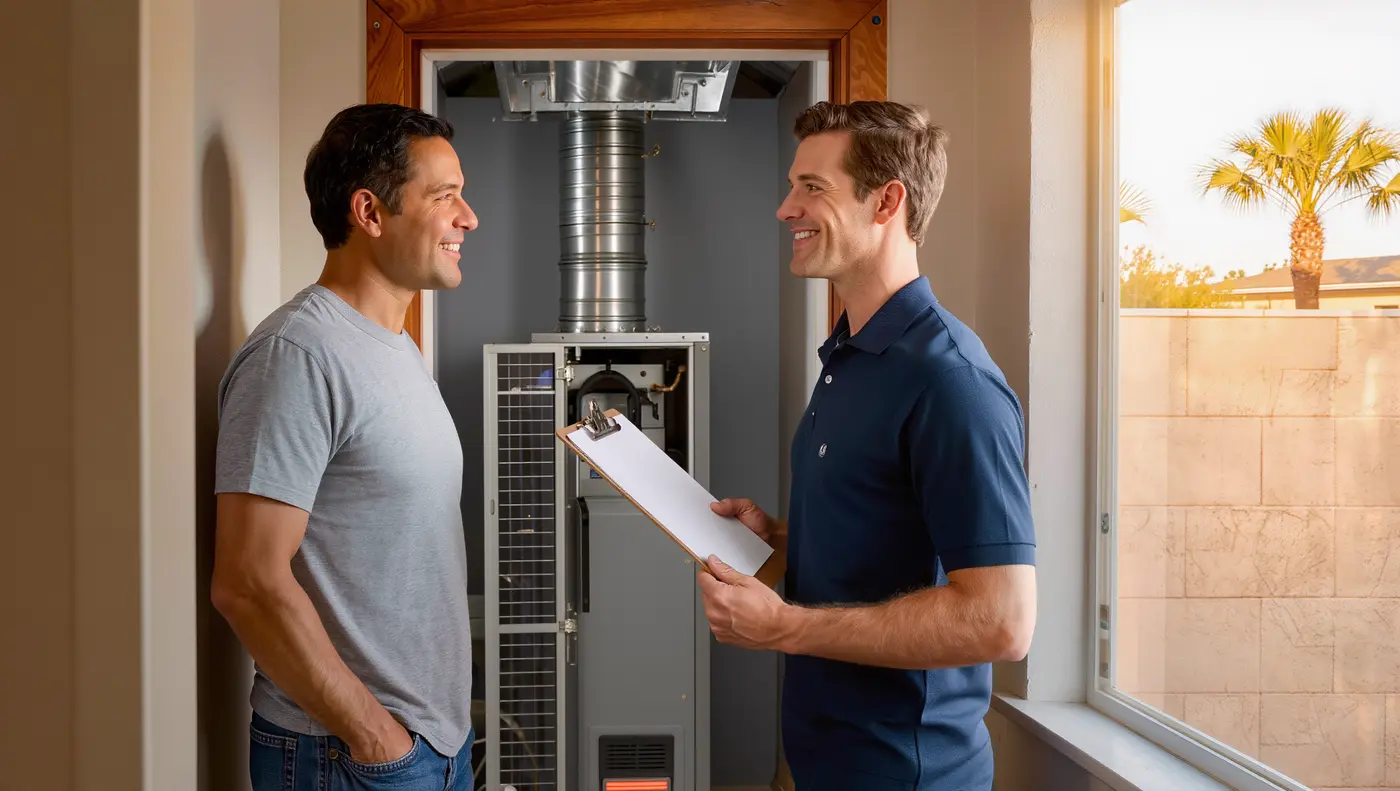
Inside a gas furnace, the burners heat a sealed metal chamber called the heat exchanger. Your home's air blows across the outside of it and warms up; the combustion gases stay inside and leave through the flue. The heat exchanger is the wall between the fire and the air you breathe. That is why it matters more than its price.
What it costs
Trane's published guide puts heat exchanger replacement at $1,000 to $3,000. Bob Vila's guide, citing HomeAdvisor, gives $1,000 to $2,000, with many homeowners spending about $1,500 for parts and labor. Much of that is labor. The job typically takes five to eight hours, because a good part of the furnace has to come apart to reach the heat exchanger, and the main heat exchanger part alone runs $350 to $850 by the same guide.
Why warranty status changes everything
Heat exchangers often carry long manufacturer warranties. Bob Vila's guide notes that 10- to 20-year coverage is common, and that a failure inside that window may get you the part at no cost. Labor is usually not covered. Before anyone quotes you, find the furnace's age and model number, and check whether its warranty required registration.
Why a crack is a safety problem
A cracked or broken heat exchanger can let carbon monoxide into the home instead of venting it outside. The Consumer Product Safety Commission describes carbon monoxide as colorless, odorless and toxic, which is a polite way of saying you will not notice it. Signs that call for an inspection include soot inside the furnace, rust or corrosion, unusual popping or rattling, and, most urgently, a carbon monoxide alarm. If that alarm sounds, the CPSC's advice is to get outside to fresh air immediately and then call 911. A furnace with a confirmed crack should not be run until the problem is fixed.
Repair or replace?
This is the repair most likely to turn into a replacement conversation, and Bob Vila's guide lays out the logic plainly. Replacing a heat exchanger makes the most sense in a furnace under about ten years old with no other problems. If the repair would cost more than half the furnace's value, or the furnace is near the end of its expected 15- to 20-year life, a new furnace is often the better use of the money. We will show you both numbers and let you choose. See furnace installation and financing.
The runners-up
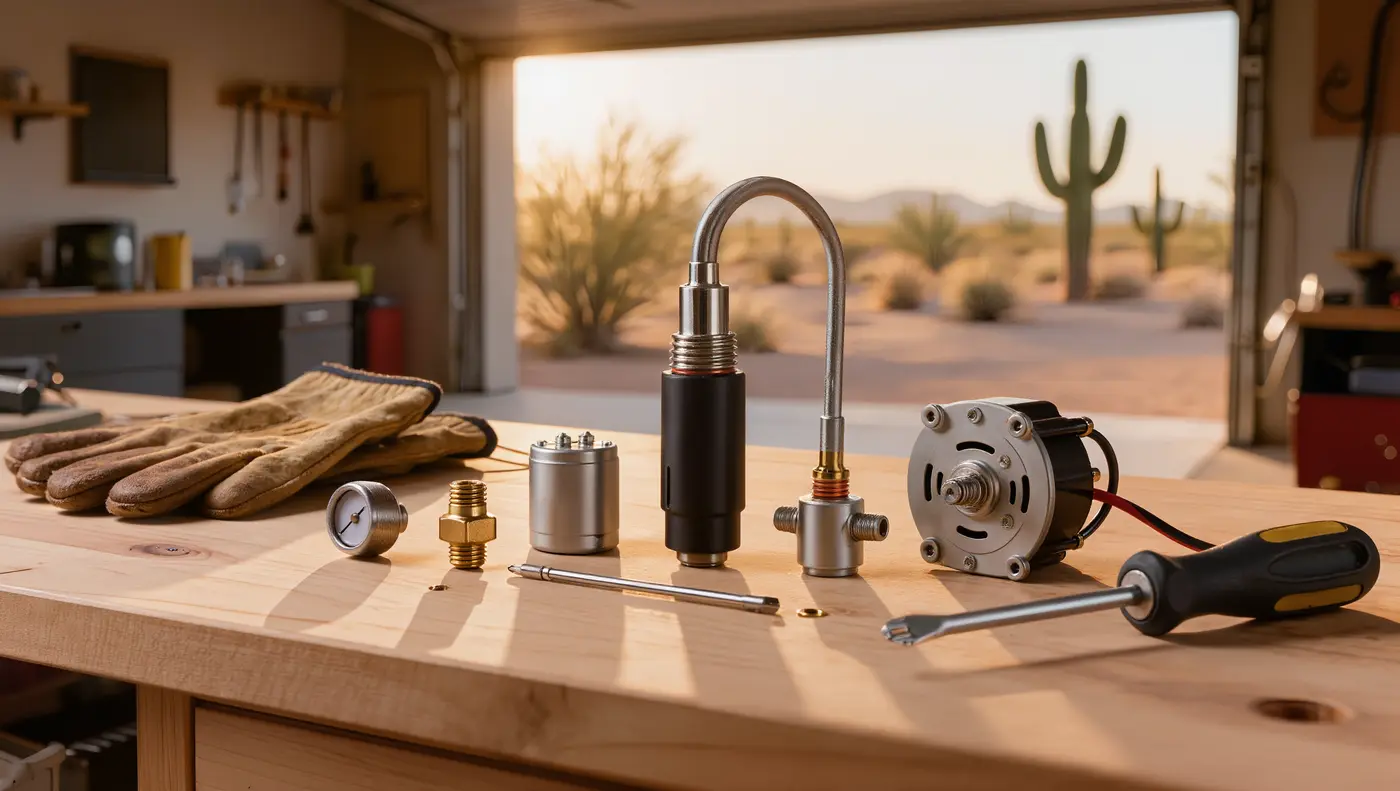
Trane's guide lists several other repairs that reach four figures, or close to it: an evaporator coil ($650 to $2,500), which sits on the furnace in a typical split system and serves the air conditioner; the draft inducer motor ($400 to $1,100); the blower motor ($300 to $900); the gas valve ($200 to $800); and the control board ($300 to $650). For the everyday repairs, read the most common furnace repairs.
Find the crack before it finds you
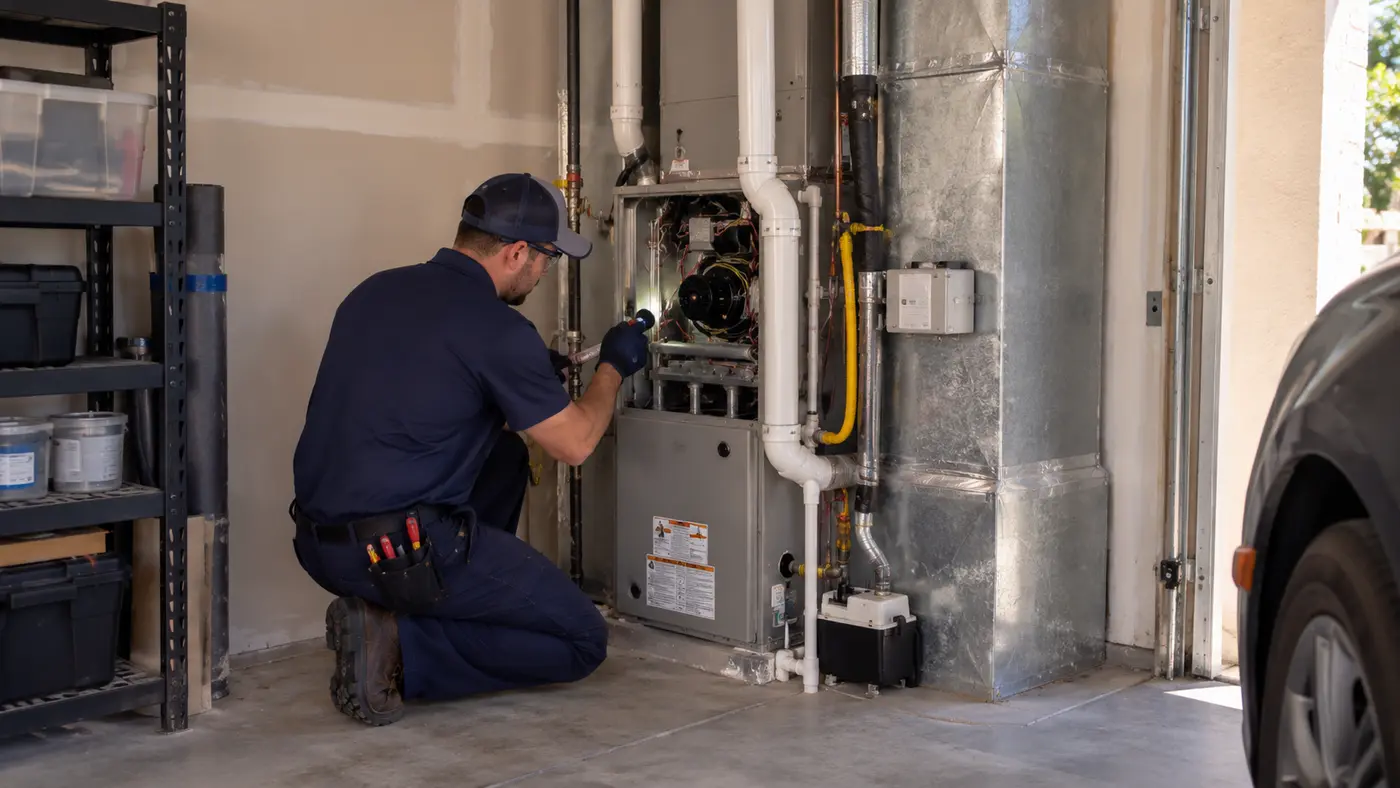
Heat exchanger problems are found by looking, which is one reason the CPSC and the CDC have long urged an annual professional inspection of fuel-burning heating systems. A fall furnace tune-up includes a heat exchanger inspection and a carbon monoxide test. If you need help now, call for emergency heating repair, or read what it costs to fix a furnace for the full price picture.
Sources
- Trane, Furnace Repair Cost (Sept. 11, 2024)
- Bob Vila, Heat Exchanger Replacement Cost (updated Dec. 19, 2023)
- U.S. Consumer Product Safety Commission, Carbon Monoxide Information Center
- CPSC and CDC, Winter Home Heating Hazards release (Oct. 26, 2006)
Published figures are national ranges, not Bleuwave prices. Every Bleuwave repair is quoted flat-rate after diagnosis.
Need this handled, not just explained?
Same-day service across the Valley, upfront flat-rate pricing, and NATE-certified technicians available 24/7.