Veteran Owned & OperatedOpen 24 hours · Same-day service

Air Conditioning
AC repair, installation, tune-ups, mini-splits & more.
View all cooling →Need help now?
(480) 863-5855- AC RepairFast, honest fixes for any make or model.
- AC InstallationHigh-efficiency systems, expertly installed.
- Emergency AC Repair24/7 when the heat won't wait.
- AC Tune-Up & Maintenance$129 tune-up keeps you cool all summer.
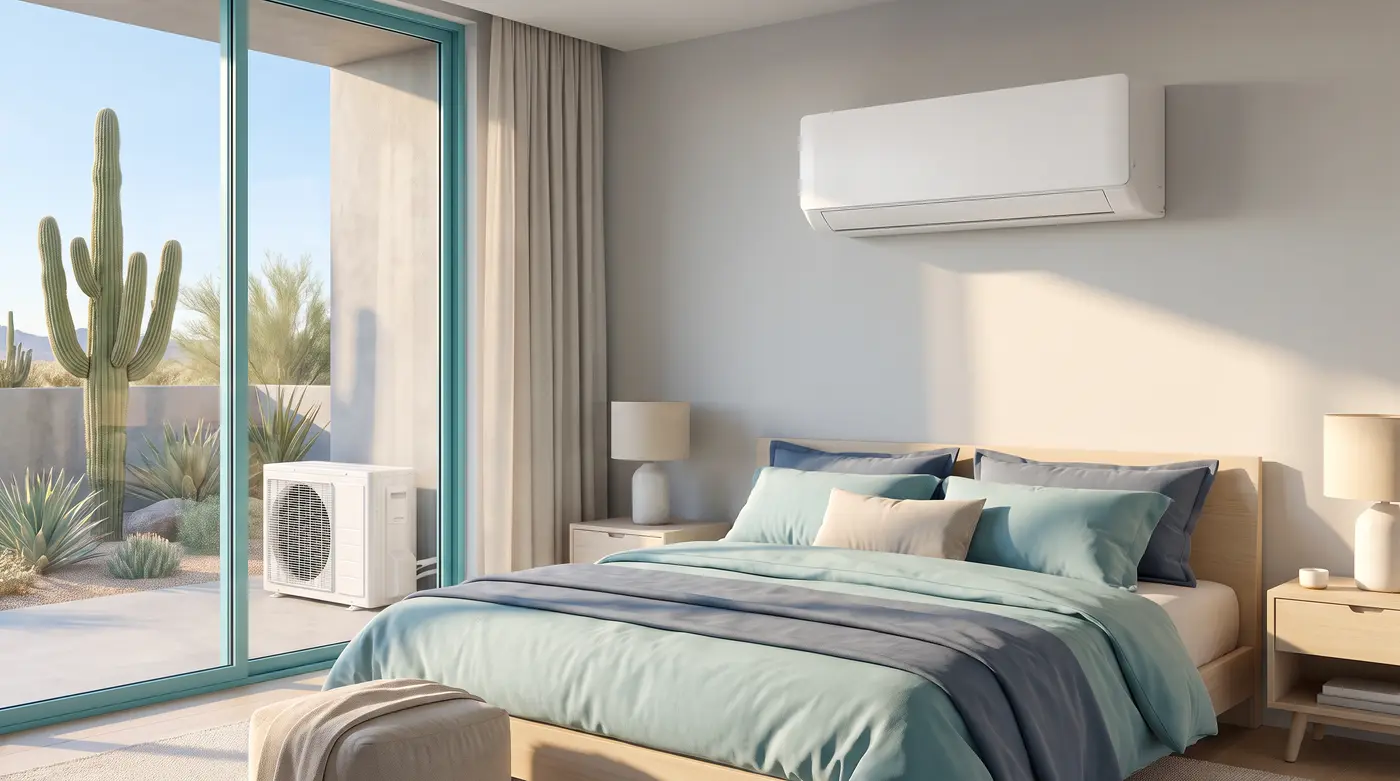
- Ductless Mini-SplitsZoned comfort for any room — 15% off.
- Duct Cleaning & SealingCleaner air, lower bills, better airflow.
- Indoor Air QualityCleaner, healthier air in every room.
- Attic InsulationKeep the heat out and bills down.
- Smart Thermostat InstallationComfort and savings from a smarter thermostat.
- Same-Day ServiceAC repair & maintenance, today.
Heating & Furnace
Furnace & heat-pump repair, install, and maintenance.
View all heating →Need help now?
(480) 863-5855- Heating & Furnace RepairWarm again — usually the same day.
- Heating & Furnace InstallationEfficient heat, professionally installed.
- Emergency Heating Repair24/7 heat when you need it most.
- Heating MaintenanceStay safe and efficient all winter.
- Heat Pump InstallationOne efficient system that both heats and cools.
- Heat Pump Repair & MaintenanceKeep your heat pump efficient in every season.
Ductwork & Airflow
Duct repair, sealing, balancing & airflow diagnostics.
View all ductwork & airflow →Need help now?
(480) 863-5855- Duct RepairFix leaking, torn or disconnected duct runs fast.
- Duct ReplacementNew ductwork when patching no longer pays off.
- Flex Duct ReplacementReplace failed flex duct with modern R-8 flex.
- Duct SealingStop paying to cool your attic and wall cavities.
- Duct CleaningSource removal for real debris, not an upsell.
- HVAC Airflow TestingReal numbers on your system, not a guess.
- HVAC Air BalancingRoom-by-room damper tuning so every room matches.
- Duct Design & RedesignManual D duct design instead of builder guesswork.
- Return Air UpgradesFix starved returns, high static, and noisy vents.
- Plenum Repair & ReplacementThe box where all your air starts, sealed or rebuilt.
- Attic Duct InspectionEvery foot of attic duct checked and photographed.
- Duct InsulationR-8 wrap so cold air survives a 155-degree attic.
- HVAC ZoningIndependent temperature control for every zone
- Hot & Cold Room SolutionsFix the one room that never cools down
- Whole-Home Comfort AssessmentA measured diagnosis of your entire HVAC system
Commercial HVAC
HVAC, refrigeration & chillers for Valley businesses.
View all commercial →Need help now?
(480) 863-5855- Commercial AC RepairFast rooftop & split-system repair for Valley businesses.
- Commercial Emergency AC Repair24/7 rooftop & split-system rescue for Valley businesses.
- Commercial AC InstallationNew construction, retrofits & tenant improvements.
- Commercial RefrigerationWalk-ins, reach-ins & prep tables — protected.
- Commercial ChillersChilled-water systems for larger facilities.
- Commercial Heating & Furnace RepairFast heat restored for offices, retail & facilities.
- Commercial Heating & Furnace InstallationNew systems, retrofits & rooftop heat.
- Commercial Heating MaintenancePlanned service that prevents winter downtime.
- Commercial Emergency Heating Repair24/7 heat when your business can't wait.
Phoenix HVAC Hub
Homeowner guides, equipment and brands, troubleshooting, and HVAC by home type.
View all hvac hub →Need help now?
(480) 863-5855- Residential HVAC GuidePlain-language guidance on repair, maintenance, replacement, installation, air quality, controls and ducts.
- Equipment Types ExplainedHow each kind of residential system works, where it is used in Phoenix homes, and what typically goes wrong.
- Manufacturers and BrandsIndependent service guidance for the equipment brands found in Phoenix homes, current and legacy.
- AC Repair GuidanceWhat each kind of repair involves, what we measure, and how to know when a fix is worth it.
- Replacement GuidanceSystem options, honest repair-versus-replace math, and how estimates and payment options work.
- Emergency and TroubleshootingWhat to do right now when the system fails in the heat, what is safe to check, and when to stop and call.
- HVAC by Home TypeSingle-family, townhome, condo, manufactured, historic, additions, garages, casitas, rentals and more, each with its own problems and fixes.
About Bleuwave
Veteran-owned, NATE-certified, serving the Valley since 2022.
View all about →Need help now?
(480) 863-5855- About UsOur story & values
- ReviewsWhat customers say
- Leave a ReviewRate us on Google
- Field NotesAdvice from the truck
- CareersJoin the team
- Service AreaCities we serve
- Bleuwave HandymanRepairs, mounts, and the whole to-do list, handled.
- Bleuwave PlumbingLeaks, water heaters, and drains — done right.
- Bleuwave ElectricalPanels, wiring, and fixtures, safely installed.
- BleuwaveThe full family of Bleuwave home services.